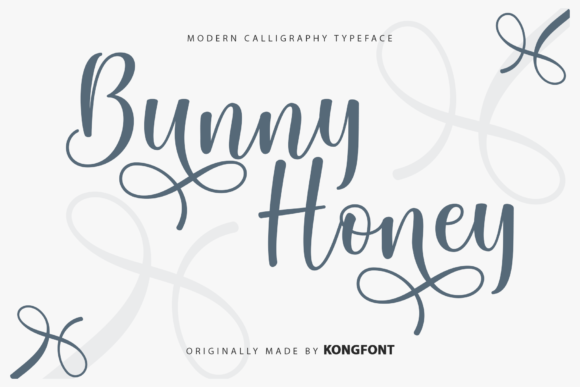
Bunny Honey: A Handwritten Script Font for Engaging Brand Content
When you spend time crafting marketing visuals, you know the difference between a font that works and one that stops the scroll. Bunny Honey is a classic, playful handwritten script font that brings warmth, personality, and approachability to digital campaigns. It’s not just another typeface in your design assets folder—it’s a tool for creating emotional connection with your audience. Whether you’re designing a product launch graphic, a social media banner, or a branded template, this font gives your content a handcrafted feel that stands out in crowded feeds.
What Makes Bunny Honey Stand Out in a Crowded Feed
Bunny Honey carries a casual, friendly energy that feels personal. Unlike rigid sans serif fonts or formal serif fonts, this script font reads like someone wrote it just for your audience. The letterforms flow naturally with a playful bounce, making it ideal for projects that need a human touch. Crafters and designers will appreciate its versatility, but from a marketing standpoint, the real value lies in how it shapes first impressions. When someone lands on your Instagram post or sees your YouTube thumbnail, Bunny Honey signals approachability, creativity, and a bit of whimsy. That emotional cue can make the difference between a quick scroll and a genuine pause.
As a display font, it shines in short bursts of text. It’s not designed for long paragraphs—it’s meant to grab attention, deliver a key message, and leave a lasting impression. That makes it a strong choice for brand content where you need to communicate a headline, a callout, or a single compelling phrase.
Using Bunny Honey Across Social Media and Digital Platforms
Social media managers and content creators work with fast-paced visual environments. You have seconds to capture attention. Bunny Honey works well in Instagram posts, Pinterest pins, Facebook covers, LinkedIn banners, and YouTube thumbnails because it adds personality without sacrificing clarity. The handwritten style feels current and relatable, which aligns with the authentic tone many brands want to project today.
Here are a few specific ways to use Bunny Honey in your marketing workflow:
- Product packaging mockups: Add a handwritten product name or tagline to give packaging a boutique feel.
- Promo graphics and digital ads: Use it for sale announcements, discount codes, or limited-time offers to create urgency with a friendly voice.
- Reels covers and TikTok thumbnails: Short, bold text in Bunny Honey stands out even in small preview sizes.
- Email headers and newsletter banners: Set the tone for your email campaign with a warm, handwritten headline.
- Inspirational quote graphics: The playful script style pairs well with uplifting messages and personal branding.
- Seasonal campaigns and holiday promotions: The font’s charm works beautifully for themed content, from Valentine’s Day to summer sales.
- Webinar banners and event promotions: Use it for the main title or speaker name to create a welcoming, accessible feel.
Building Visual Hierarchy with a Handwritten Script
One challenge marketers face is creating visual hierarchy in a single graphic. You need the headline to dominate, the supporting text to be readable, and the call-to-action to be clear. Bunny Honey helps you achieve that when used strategically. Because it has a distinct handwritten character, it naturally draws the eye. Use it for your primary headline or key callout, then pair it with a neutral sans serif font for captions or secondary information. This contrast creates a clear structure that guides the viewer through your message.
For example, in a sale announcement graphic, you could set the discount percentage or the word “SALE” in Bunny Honey, then use a clean sans serif for the terms and conditions. The eye jumps to the playful script first, then reads the supporting details without confusion. That kind of intentional hierarchy improves message retention and click-through rates.
Influencing Audience Perception and Emotional Response
Typography is a silent persuader. The fonts you choose tell your audience how to feel about your brand. Bunny Honey, with its soft curves and casual stroke, suggests friendliness, creativity, and a down-to-earth attitude. If you are a small business owner, blogger, or content creator building a personal brand, this font helps you come across as approachable and genuine. It’s particularly effective for lifestyle brands, handmade product lines, wedding-related content, and any campaign that benefits from a warm emotional tone.
Consider a product teaser for a new subscription box. Instead of a sterile sans serif headline, a Bunny Honey title like “Your monthly treat is coming” feels personal and exciting. It invites curiosity. Similarly, an inspirational quote graphic for your Instagram feed gains authenticity when the words appear handwritten. The audience interprets the message as more sincere, which can boost engagement and shareability.
For brand managers, this font can serve as a secondary brand voice—used for accent text, social media overlays, or promotional banners where you want to break away from your primary corporate typeface. It adds variety while maintaining a cohesive visual identity.
When Bunny Honey Works Best: Headlines, Titles, and Accents
Bunny Honey is not a body text font. Its strength lies in short, impactful placements. Use it for:
- Headlines and subheadlines in digital ads
- Product names and taglines in packaging mockups
- Callout text in social media graphics
- Logo marks or wordmarks for personal branding
- Decorative accents in editorial design
- Title overlays in video thumbnails and reel covers
- Inspirational or motivational quote text
Because it is a handwritten script font, it performs best when the word count is low and the message is punchy. A single word like “Hello” or “Welcome” becomes an invitation. A short phrase like “New Arrival” or “Limited Drop” carries energy. Keep your text concise and let the font do the heavy lifting in terms of personality.
Readability Considerations for Mobile and Fast Scrolling
Mobile-first design is no longer optional. The majority of your audience will see your content on a phone screen, often while scrolling quickly through a feed. Bunny Honey holds up well in medium to large sizes. For thumbnails and small previews, ensure your text is at least three to four words and sized generously. Avoid using the font in very small sizes or for long sentences where legibility could suffer.
If you are designing for YouTube thumbnails or Instagram reels covers, test your text at the actual display size. The handwritten strokes need enough space to breathe. A good rule of thumb is to use Bunny Honey for the primary hook and let a simpler font handle secondary details. This keeps your core message readable while still benefiting from the font’s charm.
Practical Font Pairing for Consistent Brand Content
Pairing Bunny Honey with a complementary typeface is essential for professional results. Because it is a script font with a casual feel, it needs a stable partner to ground the design. Here are pairings that work well in marketing contexts:
- Clean sans serif fonts: Think Montserrat, Open Sans, Lato, or Nunito. These offer neutral readability for captions, body text, and fine print. The contrast between Bunny Honey’s playful script and a clean sans serif creates a balanced, modern look.
- Geometric sans serif fonts: Fonts like Poppins or Raleway bring a contemporary edge. Use them for subheadlines or metadata while Bunny Honey handles the main title.
- Serif fonts for an editorial touch: If your brand leans toward classic or sophisticated, pair Bunny Honey with a serif font like Playfair Display or Merriweather. The script adds warmth, while the serif adds authority. This works well for magazine-style social posts or blog headers.
- Another handwritten font: Limit this to one script per design to avoid visual clutter. If you do use a second script, choose one with a distinctly different weight or angle.
When building branded templates for your content series, decide on a primary and secondary font combination that you reuse consistently. This reinforces brand recognition and saves you time on each new graphic.
Real Campaign Scenarios for Bunny Honey
Let’s look at a few realistic examples of how you might deploy Bunny Honey in active campaigns:
Sale announcement graphic: A square Instagram post with a bold “50% OFF” in Bunny Honey, set against a soft pastel background. The font’s playful curves make the discount feel like a friendly invitation rather than a hard sell. Below, a sans serif caption reads “Shop the sale this weekend only.” The contrast is clear, and the hierarchy guides the viewer from excitement to action.
Product teaser video: A short reel with a blank canvas, a product shot appears in the center, and the text “Coming Soon” appears in Bunny Honey. The handwritten style builds anticipation without feeling corporate. Add a soft animation to the text entrance, and you have a teaser that feels personal and shareable.
Inspirational quote graphic: “You are exactly where you need to be” set in Bunny Honey, layered over a nature photo. The font’s warmth supports the uplifting message. A small sans serif attribution at the bottom keeps the design clean.
Online shop banner: A store banner for a handmade goods shop uses Bunny Honey for the shop name and a tagline like “Made with love.” The font reinforces the artisanal quality of the products. Customers immediately connect the visual style with the brand’s values.
Email newsletter header: A welcome email with Bunny Honey spelling out “Hello [Name]!” in the header. The personal touch sets a friendly tone for the rest of the message, increasing open and click rates.
Licensing Considerations Before You Launch
Before you use Bunny Honey in commercial campaigns, client projects, or digital products, review the licensing terms. Freebies are a great way to test a font, but some free fonts have restrictions on commercial use. If you are designing for a brand, creating paid templates, or using the font in advertising assets, confirm that your usage falls within the license. This is especially important for merchandise, print-on-demand products, and downloadable design resources. Respecting font licensing protects your work and supports the designers who create these tools.
Bunny Honey offers a classic handwritten aesthetic that can strengthen your brand identity, improve audience engagement, and make your content more memorable. As a display font in your creative toolkit, it gives you the freedom to communicate with warmth and personality—two qualities that never go out of style in marketing. Whether you are a social media manager planning your next campaign or a content creator building a visual brand, this font is a practical addition to your design assets. Pair it wisely, use it intentionally, and watch how a simple typeface can reshape how your audience feels about your message.