Hayde Emile: A Quirky Handwritten Font for Handmade Products
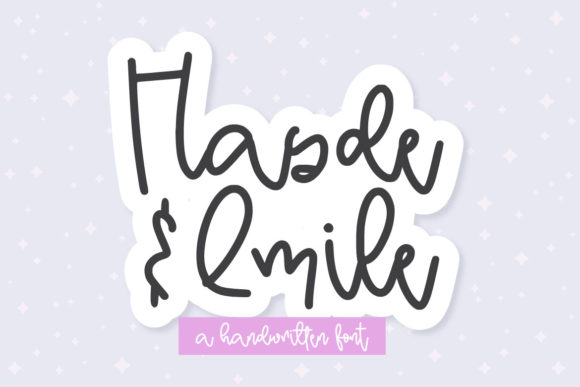
If you create handmade products, sell printables, or run a small shop, you know that typography can make or break a design. The right font adds personality, draws the eye, and helps your work stand out. I have tested many script fonts over the years, and Hayde Emile quickly became one of my favorites for craft projects. This asymmetrical and quirky handwritten font has a charm that feels both playful and refined. It is neat enough for formal stationery yet lively enough for casual labels and signs. Whether you are designing wedding invitations, thank you cards, greeting cards, logos, or business cards, Hayde Emile brings a fresh, handcrafted feel to every piece.
What I love most about this font is its natural unevenness. The letters have a slight tilt and variation that mimics real handwriting. That asymmetry gives your projects an authentic, human touch. In a world full of perfectly uniform digital type, a font like Hayde Emile stands out because it feels real. It whispers that someone actually wrote these words by hand. For crafters and small business owners, that feeling is pure gold. It builds connection with customers and makes your products feel personal and heartfelt.
Why Hayde Emile Works So Well for Craft and Product Projects
Hayde Emile belongs to the Script Amp category, and it excels as a display font for short, impactful text. I have used it on candle labels, and the results were stunning. The quirky curves gave each candle a boutique look that customers noticed immediately. On birthday invitations, the font added a whimsical, celebratory energy. For farmhouse signs, it brought just the right amount of rustic charm without feeling messy or hard to read.
Readability is a huge concern when you work with handwritten fonts. Some script fonts look beautiful on screen but become illegible when printed small or cut from vinyl. Hayde Emile strikes a careful balance. The letterforms are distinct enough to remain clear at modest sizes, yet they keep that organic, hand-drawn quality. I have used it for small product labels, sticker text, and even on mugs and tote bags, and it consistently reads well. That reliability matters when you are producing items to sell.
For wedding stationery, Hayde Emile shines. It looks elegant on save-the-dates, invitation suites, and thank you notes. The asymmetrical style adds a modern twist to traditional wedding typography. Brides looking for a font that feels romantic but not overly fussy will appreciate its easygoing charm. I have also used it on welcome boards and seating charts, where it creates a warm, inviting atmosphere without overpowering the design.
Practical Uses for Hayde Emile in Your Small Shop
Let me walk you through some specific ways you can put Hayde Emile to work in your own product lineup.
- Labels and packaging. Whether you sell handmade soap, candles, baked goods, or beauty products, the font on your label sets the tone. Hayde Emile gives packaging a crafted, artisanal feel. Try it for ingredient lists, product names, or short descriptive phrases. Pair it with a clean sans serif font for ingredient details, and let Hayde Emile take the lead on the product name.
- Stickers and decals. The font works beautifully on vinyl stickers for laptops, water bottles, journals, and car windows. Its quirky shapes catch the eye and make people smile. For small stickers, keep the text to one or two words. Hayde Emile holds up well in small sizes, but like any handwritten font, it performs best when you give it a little room to breathe.
- Greeting cards and stationery. This is where Hayde Emile really shines. Use it for the main greeting or sentiment on cards. Combine it with a simple serif font for a longer message inside. The contrast between a playful script and a classic serif creates a professional, polished look.
- Wall art and printables. Quotes, affirmations, and seasonal sayings look lovely in Hayde Emile. The font adds personality to printable art that people will frame and hang in their homes. I have used it for farmhouse-style signs and modern minimalist prints alike. It adapts well to different aesthetics.
- Planner pages and digital downloads. Hayde Emile works nicely for headers and decorative titles in planner layouts. It gives digital products a handcrafted feel that buyers love. Whether you sell on Etsy or your own site, this font can help your planners, journals, and organizers feel more personal.
- Seasonal and holiday designs. Christmas tags, Halloween labels, Valentine’s cards, and Easter treat toppers all benefit from a font that feels both festive and handmade. Hayde Emile adds warmth and whimsy to any seasonal project.
- T-shirts, mugs, and totes. If you create merchandise with heat transfer vinyl, sublimation, or screen printing, Hayde Emile works well for short phrases and names. The uneven letterforms look especially good on distressed or vintage-style designs.
How Hayde Emile Affects Product Presentation and Customer Perception
The font you choose directly influences how customers perceive your product’s quality. A thoughtful, cohesive typeface signals that you care about details. Hayde Emile communicates warmth, creativity, and approachability. When customers see a product labeled with this font, they often assume it was made by a real person with a genuine passion for craft. That emotional appeal is hard to quantify but very real. It builds brand recognition and encourages repeat purchases.
Consistency matters too. If you use Hayde Emile across your product line, your brand starts to feel cohesive. People begin to recognize your style. Whether they see your font on a greeting card, a sticker, or a gift tag, they connect it with your shop. Over time, that repetition builds trust and loyalty.
For logo design, Hayde Emile works best for small businesses that want a playful, handmade identity. It is not a font that screams corporate. It whispers creativity and individuality. That makes it a strong choice for boutiques, artisan brands, and creative entrepreneurs.
Font Pairing Ideas with Hayde Emile
Pairing a expressive script font like Hayde Emile with a clean sans serif font is one of the easiest ways to create balanced, professional designs. The contrast between the quirky handwritten style and a simple, modern sans serif gives your layout breathing room and hierarchy. Try using Hayde Emile for headings and a sans serif like Montserrat, Lato, or Open Sans for body text. That combination works well on product labels, social media graphics, and packaging.
If you prefer a more traditional look, pair Hayde Emile with a simple serif font. A classic serif adds structure and elegance, especially for wedding stationery or formal cards. The handwritten font provides personality, while the serif keeps things grounded and readable. For a modern twist, try a slab serif. The contrast between the quirky script and the sturdy slab creates visual interest and feels fresh.
Another approach is to pair Hayde Emile with another handwritten font that has a different texture or weight. This can work for layered designs or title and subtitle combinations, but be careful. Two script fonts can clash if they are too similar or too different. Stick with one dominant handwritten font and let a simpler typeface support it.
Practical Readability Advice for Cutting Machines and Printing
When you use Hayde Emile with a Cricut or Silhouette, test the font at your intended cutting size before committing to a full batch. Handwritten fonts with thin strokes can sometimes lose detail when cut from vinyl at very small sizes. For most projects, I recommend keeping Hayde Emile text to at least half an inch tall for vinyl cuts. For print-and-cut stickers, you can go smaller, but always run a test print first.
On printed cards and paper goods, the font performs beautifully at sizes from 12 points upward. For small product labels, test readability on the actual label material. Dark or textured papers can make delicate script fonts harder to read. A light-colored paper with good contrast will show off Hayde Emile’s quirky details best.
When you create mockups for your shop, preview the font at the actual print size. What looks clear on a screen may become muddy or cramped on a physical product. Scaling the font appropriately is the difference between a professional finish and a frustrating result.
What to Check Before You Buy: Styles, File Formats, and Licensing
Before you purchase Hayde Emile, review what comes in the font package. Look for included styles, alternates, ligatures, and swashes. These extras give you flexibility and help you customize your designs. Ligatures and alternate characters can make your text feel even more handcrafted by offering multiple versions of certain letters. Swashes add decorative flourishes that work beautifully on wedding invitations, quotes, and logo designs.
Check the file formats as well. Most professional fonts come in OTF or TTF format. Both work well for crafting and design software. If you use a specific program like Cricut Design Space, Silhouette Studio, or Adobe Illustrator, make sure the font is compatible before you buy.
Multilingual support is another important factor. If you create products for customers who speak languages beyond English, verify that Hayde Emile covers the characters you need. This can expand your customer base and make your designs more inclusive.
Now for the most critical part: commercial font licensing. If you sell physical products, templates, printables, digital downloads, SVG designs, merchandise, or client work, you need a commercial license. Standard personal licenses do not cover commercial use. Always read the licensing terms before purchasing. A proper commercial license allows you to use Hayde Emile on products you sell, whether that means candles, mugs, shirts, digital files, or print-on-demand items. Some licenses also cover client work, so if you design for others, confirm that your license applies. Protecting yourself legally costs very little compared to the trouble of an infringement claim. Invest in the right license from the start, and you can create with confidence.
Hayde Emile is more than just a pretty script. It is a practical, versatile tool for anyone who makes and sells handmade products. Its quirky personality, solid readability, and broad application range make it a smart addition to your font library. Whether you are labeling candles, designing wedding invitations, or creating seasonal stickers, this font will help your work feel authentic and connected to the hands that made it.